PP | 4 Wild Card

How Social Media Changed PR (Core Effects)
1. Speed and Real-time Engagement
Social platforms demand near-instant responses. Brands that respond quickly can turn potential crises into reputation gains; those that are slow risk being outpaced by viral narratives. Real-time publishing and monitoring tools are now standard in PR toolkits. (See Oreo Super Bowl example.)
2. Democratization of Content & Influence
Influencers, micro-creators, and ordinary users can shape public perception as effectively as traditional media. This flattens gatekeeping: earned coverage can originate from a viral post rather than a journalist. HBR documents how influencer ecosystems have restructured marketing and communications strategies.
3. New Measurement Imperatives
Vanity metrics (likes, impressions) are insufficient. Industry standards like the Barcelona Principles emphasize outcomes (behavior change, reputation, business results) over outputs. PR measurement now integrates social analytics, attribution models, and cross-channel KPIs.
4. Hybrid Campaigns and Viral Potential
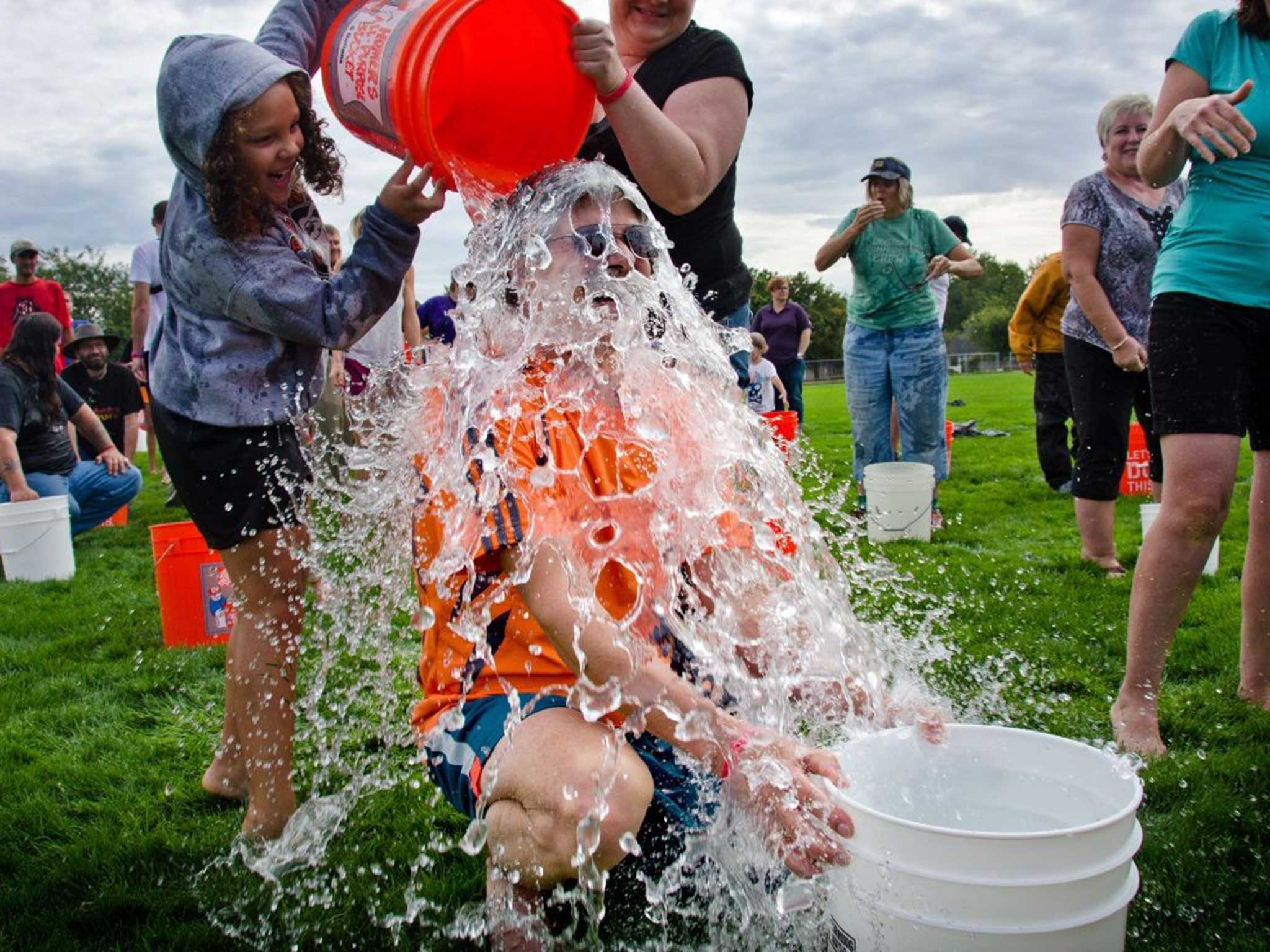
Social media enables low-cost, high-reach campaigns. The ALS Ice Bucket Challenge raised extraordinary funds and awareness within weeks—demonstrating social platforms’ power to mobilize action. However, virality is unpredictable and not a reliable strategy for all causes.
5. Trust, Reputation, and Platform Risk
Edelman finds trust in institutions (including media and corporations) is volatile; social media both amplifies reputational risk and offers pathways to rebuild trust via transparency and dialogue. PR must now consider platform policies, misinformation risks, and the evolving regulatory environment.
Evidence & Case Study
Case Study A — Oreo Super Bowl Blackout (2013)
During Super Bowl XLVII a stadium blackout occurred; Oreo’s social team published the “You can still dunk in the dark” tweet within minutes. The rapid, witty response generated massive engagement and is a canonical example of real-time PR seizing an unexpected moment. The tweet’s virality showed how agility and creative social content can produce outsized earned media value.
Social mechanics can drive measurable behavior at scale—but are not predictable.
Measurement: From Impressions to Outcomes
Best practice now follows Barcelona Principles and industry updates: measure reach and outcomes (awareness lift, sentiment shifts, conversion, policy change). PRSA and AMEC recommend mixed methods: social analytics, surveys, controlled experiments, and business KPIs (sales lift, fundraising, policy decisions). Relying solely on engagement counts misstates campaign value.
New Risks and Ethical Considerations
-
Misinformation & Rapid Rumors: false narratives spread quickly; corrections struggle to keep pace.
-
Platform Governance & Regulation: evolving laws and content moderation policies affect campaign reach and legal exposure.
-
Audience Fatigue & Authenticity: audiences increasingly demand authenticity; shallow “viral” tactics can backfire.
Edelman’s research underlines how transparency and ethical behavior are central to preserving trust.

Comments
Post a Comment