PP 1 | Crisis Public Relations
Crisis Public Relations
In recent years, The Walt Disney Company has faced a series of public controversies centered on its casting and representation decisions, especially for live-action remakes of beloved animated classics. Two prominent examples - the 2023 release of The Little Mermaid, starring Halle Bailey as Ariel, and the forthcoming Snow White (2025), starring Rachel Zegler - illustrate how cultural representation, nostalgia, and social media have converged to shape public perception of Disney's brand. The company's response to the backlash surrounding these films has revealed a complex blend of proactive advocacy and reactive damage control, with, mixed results for its reputation and relationship with audiences.
Triggers and Nature of the Backlash
When Disney announced in 2019 that Halle Bailey, a black actress and popular singer, would play Ariel in The Little Mermaid, the news quickly sparked polarized reactions. Supporters praised the decision as a meaningful step toward greater inclusivity in family entertainment, while detractors accused Disney of disregarding the visual fidelity of the original 1989 animated film. Social Media amplified both voices: hashtags like #NotMyAriel trended, generating waves of criticism and racist commentary. Similar patterns emerged in 2023 and 2024 after early footage from Snow White revealed Latina actress Rachel Zegler in the titular role and showed production decisions to use computer-generated "magical creatures" instead of live actors with dwarfism - prompting backlash from advocacy groups and from actor Peter Dinklage, who argued Disney was perpetuating outdated stereotypes about disability and height.

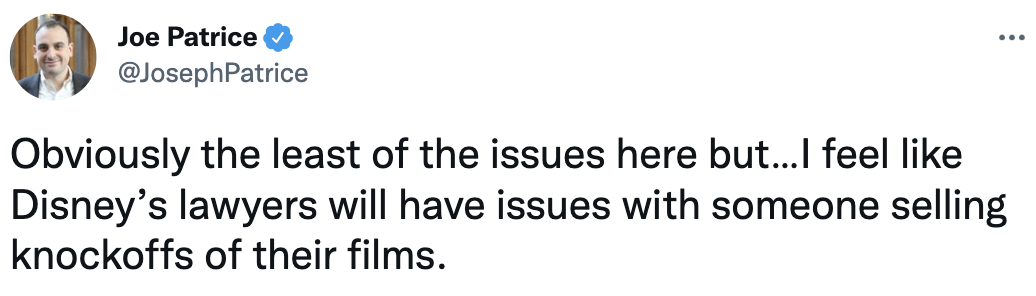
These controversies highlight a paradox: the same company respected for diversity in its casting is also criticized for inconsistent application of inclusion principles. In each case, Disney's brand became a focal point for larger societal debated about race, gender, authenticity, and the modernization of fairy tales.
Halle Bailey expresses that she "expected backlash" for her role in the new film!
Disney's Response Strategy
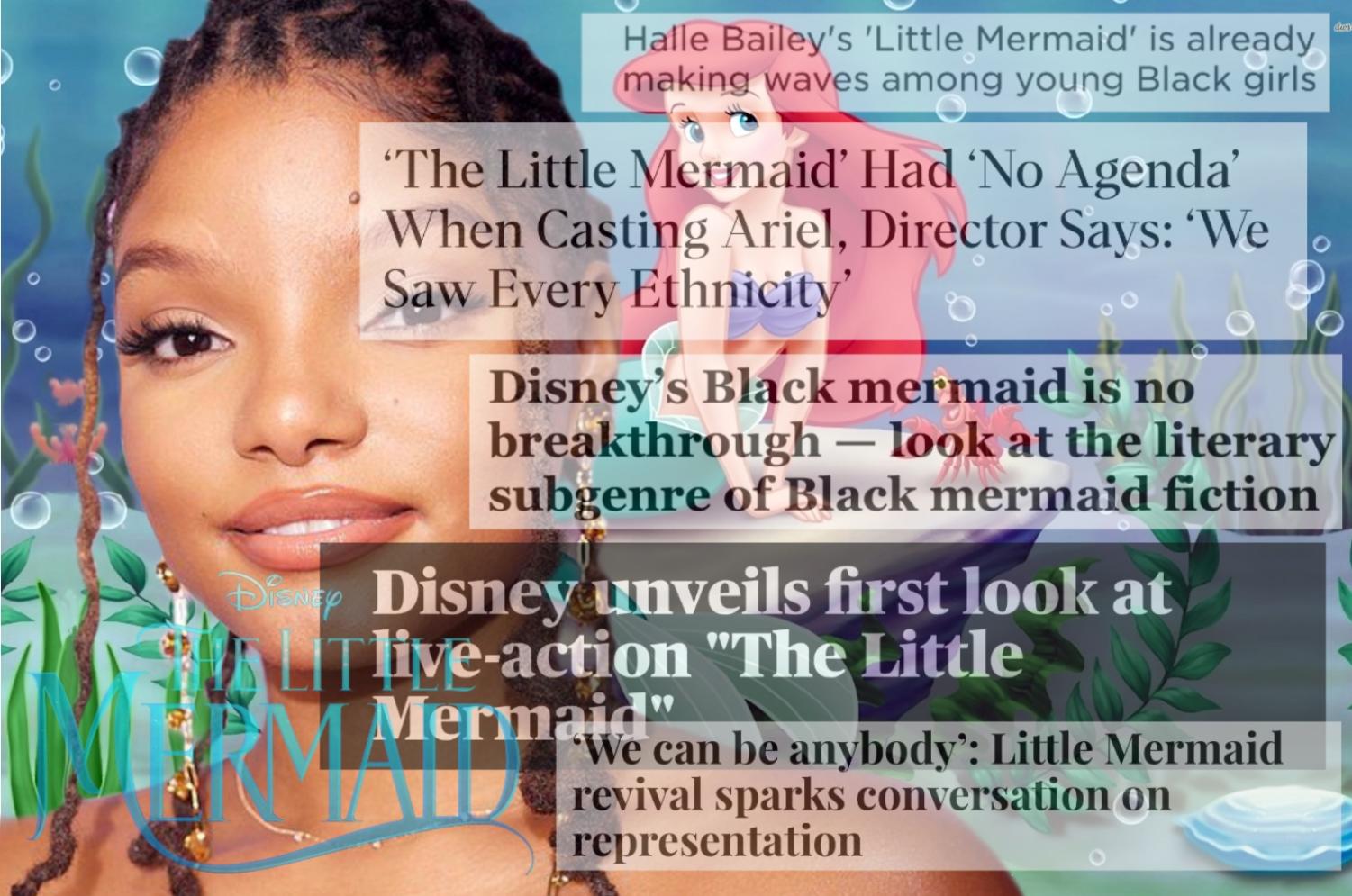
Disney's responses to these controversies ranged from proactive defense to reactive clarification, depending on the stage of the backlash. For The Little Mermaid, Disney and director Rob Marshall publicly affirmed Bailey's casting, emphasizing that the decision was based on her "extraordinary talent and spirit," not on race. The studio released behind-the-scenes videos, interviews, and targeted marketing featuring young girls reacting positively to Bailey's performance, which was a clear attempt to reframe the narrative toward empowerment and inclusivity. This phase of the response can be characterized as proactive and values-driven, positioning Disney as a company committed to diversity in storytelling.
At the world premiere, director Rob Marshall addressed the racist pushback, saying "it feels so small-minded." He and producers affirmed that Bailey was their top choice from auditions. (Vanity Fair)
In contrast, the Snow White controversy saw a more reactive and defensive strategy. Following Dinklage's public criticism, Disney issued statements clarifying that the remake aimed to "avoid reinforcing stereotypes from the original 1937 film." However, when behind-the-scenes images later showed CGI replacements for the seven dwarfs, Disney faced renewed criticism — this time for potentially erasing opportunities for actors with dwarfism.
Meanwhile, lead actress Rachel Zegler’s candid comments about the film’s feminist reinterpretation (“Snow White won’t be saved by the prince”) stirred further online backlash, leading Disney to downplay interviews and reschedule promotional events. The tone of the response here shifted from confident to cautious, suggesting internal uncertainty about how to balance progressive messaging with fan expectations.

Evaluation of Effectiveness
The outcomes of these responses were different. The Little Mermaid ultimately achieved solid box-office performance, earning $560 million worldwide, and received generally positive reviews for Bailey's portrayal. Although the online backlash persisted, the film's release was accompanied by emotional viral videos of young Black girls cheerfully seeing themselves represented on screen evidence that Disney's proactive framing of representation resonated with many audiences. In this sense, the company’s strategy was ultimately successful in reinforcing its brand image as inclusive and forward-looking, even if it alienated some segments of nostalgic or conservative fans.
By contrast, the Snow White response has been less successful. The project’s promotional cycle has been overshadowed by controversy, from debates about authenticity to perceived overcorrection in tone and casting. Disney’s shifting public stance - alternating between progressive reinterpretation and cautious appeasement - has made its messaging appear inconsistent. This indecisiveness weakened Disney’s ability to control the narrative and fostered skepticism among both supporters and critics. The Snow White case illustrates the difficulty of remaking classic stories for contemporary audiences without appearing to either betray tradition or pander to modern cultural expectations.
Broader Implication
These episodes underscore the challenge of navigating representation in legacy media. Disney’s global reach means its creative choices are scrutinized across cultures, ideologies, and generations. A single casting decision now functions as a cultural signal - interpreted as either progress or provocation depending on one’s perspective. The company’s experience with The Little Mermaid and Snow White reveals that proactive, transparent communication about artistic intent and inclusivity tends to yield more positive outcomes than reactive or defensive responses once controversy erupts. Moreover, the contrasting trajectories of these two films demonstrate that sincerity and consistency in values-based storytelling can mitigate backlash, while indecision or mixed messaging can exacerbate it.
Final Thoughts

Disney’s recent casting and representation controversies exemplify the complex interplay between corporate image, creative decisions, and public discourse in the digital age. The company’s proactive defense of Halle Bailey in The Little Mermaid reinforced its commitment to inclusivity and ultimately strengthened its cultural relevance. However, its more reactive and inconsistent handling of Snow White suggests that Disney is still learning how to navigate the politics of representation in a hyperconnected world. Going forward, the success of its brand will depend not merely on who it casts, but on how confidently and coherently it communicates the reasons behind those choices - turning social media storms into opportunities to reaffirm its storytelling values.
Comments
Post a Comment